
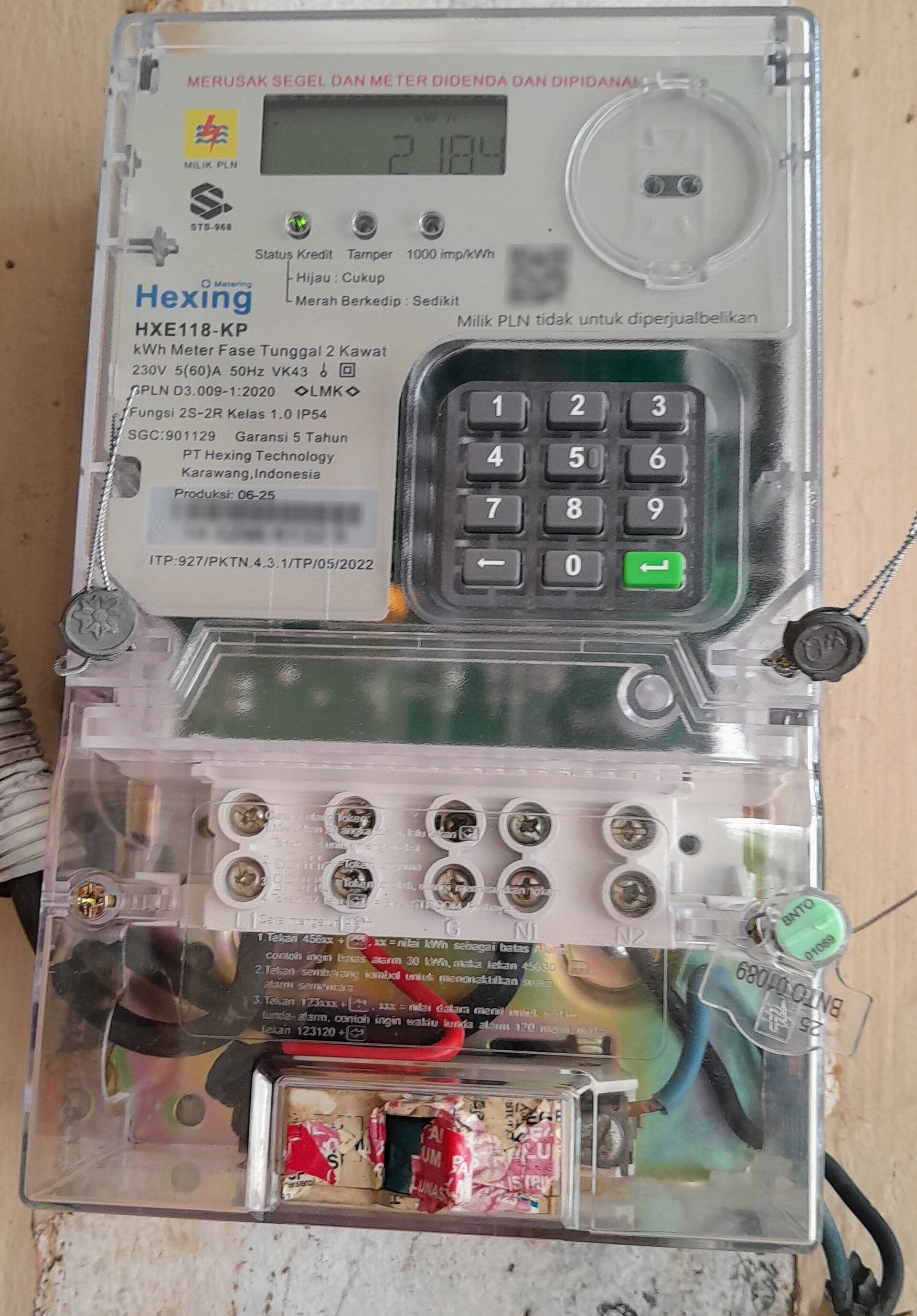
Smart prepaid metering is the deployment of STS-compliant, remotely communicating electricity meters that replace legacy keypad-only prepaid infrastructure in municipal distribution networks. South Africa's National Treasury has allocated over R2 billion in conditional grants specifically to help municipalities transition from ageing credit and first-generation prepaid meters to modern smart prepaid metering systems. For local governments struggling with revenue collection shortfalls and deteriorating infrastructure, this represents the single largest investment signal in electricity distribution modernisation in the country's history.
Why South African Municipalities Need Smart Prepaid Metering
Traditional prepaid meters installed across South Africa during the late 1990s and early 2000s rely on first-generation STS token technology. They lack any remote communication capability, meaning that meter readers must still visit every property in person to verify consumption, check for tampering or update tariff configurations. Replacement parts for these legacy devices are increasingly scarce as manufacturers discontinue older product lines. Municipalities such as Sol Plaatje in the Northern Cape have recognised that maintaining this ageing fleet is no longer financially or operationally sustainable.
The consequences of outdated metering infrastructure are severe. Without real-time consumption visibility, utilities cannot identify where losses occur until months after the fact. Billing relies on estimates rather than actual readings, and tamper events go undetected for extended periods. The result is a compounding revenue gap that undermines the municipality's ability to fund maintenance, expansion and Eskom bulk purchase obligations.
Several South African municipalities have reported revenue improvements of between 25 and 40 per cent within the first 18 months of deploying smart prepaid metering systems, according to industry deployment case studies.
How Smart Prepaid Metering Works
Smart prepaid meters combine traditional keypad token entry with two-way communication over cellular (GPRS, LTE, NB-IoT), RF mesh or Power Line Communication (PLC) networks. This dual capability means consumers can still purchase and enter 20-digit STS tokens at the meter, while the utility gains a persistent data channel for remote vending, interval consumption reads, tamper alerts, firmware updates and tariff reconfiguration.
The meters connect to a Head-End System (HES) that aggregates field data and pushes it to municipal billing platforms and analytics dashboards. When a meter detects bypass wiring, terminal cover removal, magnetic interference or reverse energy flow, it generates a timestamped alarm that the utility can act on within hours rather than months.
STS Multi-Vendor Interoperability
Smart prepaid meters that comply with the Standard Transfer Specification (STS) allow consumers to purchase electricity tokens from any STS-certified vendor. This multi-vendor vending interoperability means residents can buy electricity at supermarkets, mobile apps, banking platforms and municipal offices without compatibility issues. STS compliance also protects municipalities from vendor lock-in, ensuring that token encryption meets the security requirements defined by the STS Association.
- Keypad token entry plus remote vending over cellular, RF or PLC networks
- Real-time interval consumption data reported to a central head-end system
- Tamper detection with automatic alerts for bypass wiring, cover removal, reverse flow and magnetic interference
- Over-the-air firmware updates and tariff reconfiguration without site visits
- STS multi-vendor interoperability allowing token purchase from any certified platform
Revenue Recovery and Demand-Side Management
Revenue recovery is the most immediate benefit municipalities experience after deploying smart prepaid metering. Legacy infrastructure obscures consumption data and creates billing gaps that allow technical and commercial losses to accumulate undetected. Smart meters close these gaps by providing verified interval data that reconciles energy purchased from Eskom against energy billed to consumers at every transformer zone.
Beyond revenue protection, smart prepaid metering gives municipalities demand-side management capabilities that were previously impossible. Time-of-use tariff structures can be pushed to meters remotely, encouraging consumers to shift discretionary loads such as geysers and pool pumps to off-peak periods. During load-shedding rotations, utilities can disconnect and reconnect feeders with greater precision, reducing outage duration and frequency for compliant areas.
- Time-of-use tariffs pushed remotely to encourage off-peak consumption
- Load-shedding precision with targeted feeder disconnect and reconnect
- Consumption analytics that identify overloaded transformers and unbalanced phases
- Infrastructure planning driven by actual demand data rather than estimates
What This Means for South African Utilities
Local manufacturing plays a critical role in the affordability and sustainability of smart prepaid metering rollouts. Hexing Electrical SA produces STS-compliant single-phase and three-phase prepaid meters at its Johannesburg facility, achieving SABS certification and Level 4 BBBEE contributor status. Local production shortens lead times from months to weeks, ensures spare-part availability and allows firmware customisation for South African tariff structures, NERSA reporting requirements and municipal billing system interfaces.
For municipalities evaluating their metering modernisation strategy, smart prepaid metering offers a clear path from reactive revenue collection to proactive grid intelligence. The R2 billion National Treasury grant programme provides the funding mechanism, while STS compliance ensures multi-vendor flexibility and long-term interoperability. Hexing's prepaid metering portfolio, backed by in-country manufacturing and technical support, provides the platform that South African utilities need to meet grant conditions and deliver measurable improvements in service delivery and financial sustainability.
Contact Hexing Electrical SA to discuss a pilot deployment tailored to your municipality's network, tariff structure and revenue recovery targets.